Celtic Tomb Unearthed in Germany

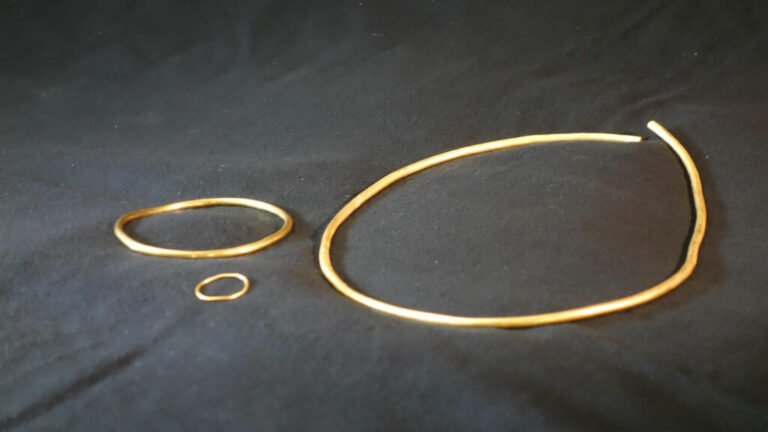
gold rings

gold rings Bad Camberg, Germany-euronews A Celtic wagon burial is reported to have been discovered in central Germany. Hesse state archaeologist Udo Recker said the grave, which was found during work to build the solar park, is more than 2,000 years old and belongs to the Hunsruck-Eifel culture. It contained several gold rings of varying …

Read more

Artifacts Recovered in The Netherlands

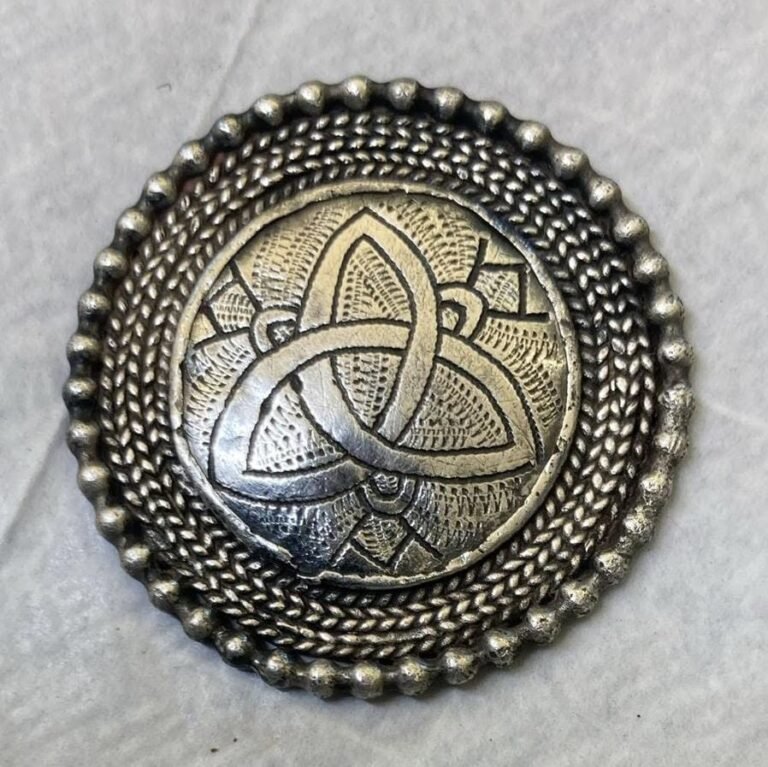
fibula

fibula According to a report in Emmen, Netherlands— NL TimesMore than 3,000 artefacts were recovered during environmental work in the Nieuwe Drostendeep stream valley in the northeastern part of the Netherlands. Objects include tools from the Palaeolithic and Bronze Age; Medieval jewelery and ornaments from the 2nd century BC; and materials from the Eighty Years’ …

Read more

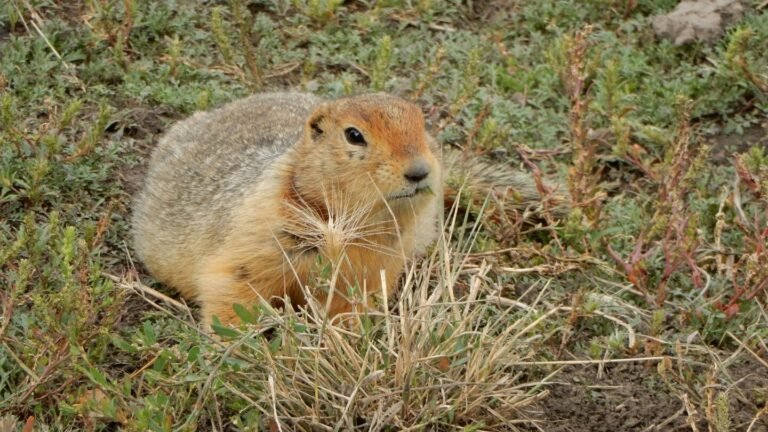
Ancient squirrel poop from Arctic permafrost contains DNA from mammoths, bison, horses and big cats

An Arctic ground squirrel sitting on low vegetation and soil, surrounded by tundra plants.

Frozen droppings from prehistoric ground squirrels are rich with DNA from Ice Age animals, including wooly mammothA mysterious big cat and a vast array of other creatures reveal a remarkably detailed genetic snapshot of ancient life in Canada’s rugged Yukon. Although genetic material of the larger creatures was found in the feces of ground squirrels, …

Read more

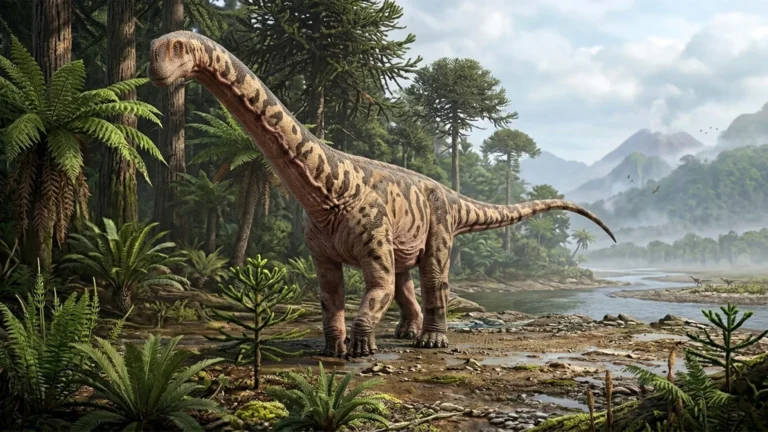
This strange giant dinosaur may change what we know about Jurassic titans

This strange giant dinosaur may change what we know about Jurassic titans

The long neck, massive body, small head and broad tail have made the sauropod one of the most recognizable dinosaurs ever discovered. These plant-eating giants included the largest land animals in Earth’s history, with some species reaching lengths of nearly 130 feet (40 meters). Famous examples include Diplodocus and Brachiosaurus. Now, researchers studying fossils from …

Read more

Who are the Japanese? Huge DNA discovery rewrites history

Who are the Japanese? Huge DNA discovery rewrites history

For decades, scientists believed that the Japanese population descended primarily from two ancient groups: Jomon hunter-gatherers who lived in the archipelago for thousands of years, and later migrants from East Asia who brought rice cultivation and new technology to Japan. But a major genetic analysis from researchers at the RIKEN Center for Integrative Medical Sciences …

Read more