An 11-year-old boy in Ontario, Canada, died after being bitten by a rabid bat that rested on his face while he slept. According to reports from his doctors, the boy had no obvious bite or scratch marks and showed no symptoms for the first 19 days after the incident.
While on vacation with his parents at a cottage in northern Ontario in 2024, the boy was awakened in the night by a bat on his nose and mouth, according to a report published in . Canadian Medical Association Journal On 29 June. Her father caught the bat in a cooking pot and released it outside, and because the child was not injured and the bat did not seem particularly aggressive, her parents decided not to seek medical evaluation, the report said.
A few weeks later, the child began experiencing tingling, numbness, and swelling on the right side of the face. When he was examined at his local hospital, his vital signs appeared normal, apart from an increased heart rate and white blood cell count.
The next day, the boy’s symptoms worsened: he lost sensation on the right side of his face and his speech became slurred. While waiting in the hospital, he began experiencing fever, confusion, hallucinations, and difficulty swallowing, followed by excessive production of saliva.
After four days of intensive care at McMaster Children’s Hospital in Hamilton, Ontario, the child tested positive for rabies, and after five days his brain stem reflexes were absent, indicating a complete loss of brain stem function. Seventeen days after admission, after consultation between his family and medical experts, he was removed from life support and died.
Rabies is a viral disease that primarily affects the central nervous system. According to CDC. According to the boy’s doctors, it is spread primarily through bites and scratches from infected animals, with the majority of cases in North America being caused by bats.
“Bats pose a particular risk because bites or scratches can be small and easily overlooked, and patients may not remember or recognize exposure to bats,” the medical team wrote in their report.
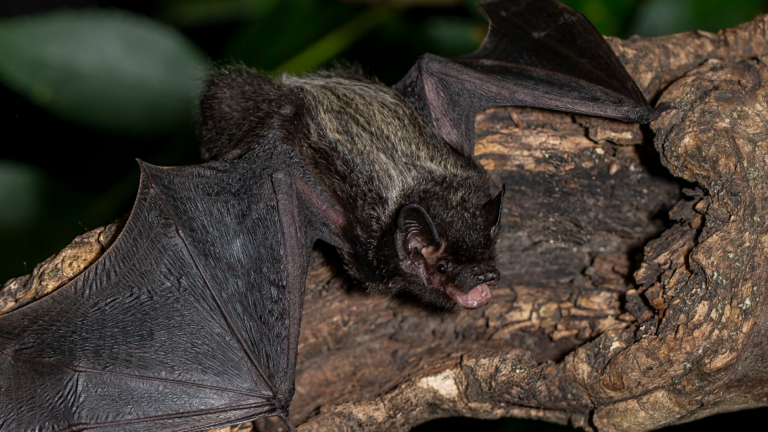
According to a report Journal of Virology in 2013Silver-haired bats (Legionycteris noctivagans), are responsible for the majority of rabies cases in Canada. Skunks, foxes, and raccoons also often spread this disease.
The rabies virus must reach the brain before symptoms appear, but once the patient develops symptoms the infection is almost 100% fatal, with most deaths occurring within one to two weeks of developing symptoms. However, prompt treatment after exposure – including wound cleaning, antibodies Administration — and a series of vaccines — are almost always effective in preventing the disease, according to the CDC.
Rabies is very rare in humans in North America, with fewer than 10 deaths in the U.S. each year, according to the CDC. Only 28 human deaths have been reported in Canada since 1924, according to Canadian Veterinary Medical Association. Still, the boy’s doctors have stressed the importance of prompt medical care after contact with bats and other animals that can spread the disease.
“Early identification of exposure and timely PEP [postexposure prophylaxis] is the only effective means of rabies prevention,” they wrote. “Any direct human contact with bats, even in the absence of visible bites or scratches, is an indication for PEP.”
He further noted that rabid bats do not always display the classic symptoms associated with rabies, such as aggressive behavior and foaming at the mouth. “With any direct human contact [a] The bat is considered high risk,” he said.
This article is for informational purposes only and is not intended to provide medical advice.